How Lunch Bag Design Has Changed — and Which Changes Actually Matter for Performance
The lunch bag has gone through more genuine design evolution in the past fifteen years than in the preceding several decades combined. Some of that evolution is visible — the shift from simple fabric totes to structured boxes, the proliferation of compartments, the move toward harder exterior panels. Some of it is invisible — changes in insulation materials, lining formulations, and zipper hardware that don’t announce themselves but make a measurable difference in how long food stays at temperature.
Not all of these changes represent real improvements. Some are styling decisions that look like performance features. Knowing which is which helps buyers make better choices and helps brands and retailers stock products that do what customers expect them to do.
From soft totes to structured builds
The earliest mass-market insulated lunch bags were essentially fabric totes with a thin foam insulation layer sewn between the exterior fabric and a foil lining. They worked passably well for a few hours, were inexpensive to produce, and were easy to clean. They also collapsed when not full, provided no organization, and wore out quickly at the seams because the foam layer created pressure points where the bag folded.
The shift toward more structured builds — stiffer panels, molded bases, semi-rigid exterior materials — addressed the collapse and organization problems. A lunch bag with structural integrity holds its shape whether it’s half-empty or packed, which matters when the contents are things that shouldn’t be compressed or that need to stay upright. The stiffer construction also tends to be more durable at fold points because there are fewer sharp fold lines in a bag that maintains its shape.
The tradeoff is bulk and weight. A structured lunch box takes up more space in a backpack or briefcase than a soft-sided bag that can be compressed. For some users, that’s irrelevant. For others — particularly commuters who are already carrying a full bag — the ability to compress the lunch carrier when it’s empty matters.
Neither form is universally better. The practical question is which tradeoffs fit the actual use pattern. A structured bag for someone who needs to store a meal that arrived from home and doesn’t compress the bag makes obvious sense. A soft-sided bag for someone who wants to fit an empty bag in a jacket pocket to carry home makes equal sense.
The compartment evolution
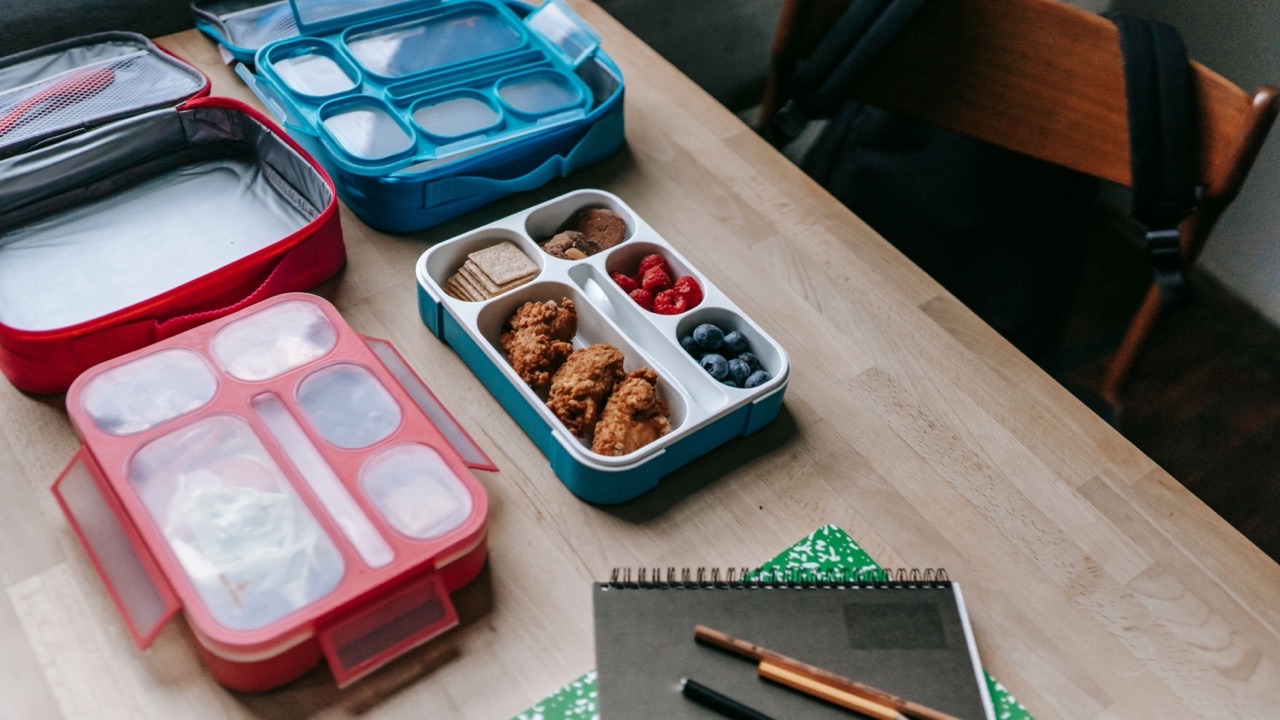
Early lunch bags typically had one insulated compartment and nothing else. The move toward multi-compartment designs reflects a legitimate practical insight: food items have different temperature requirements. Keeping a cold sandwich next to an ice pack next to a thermos of hot soup, all in one insulated space, creates thermal conflict.
Well-designed multi-compartment lunch bags separate the insulated section from uninsulated sections for things like utensils, napkins, and non-perishable snacks. Better designs go further: separate insulated sections at different temperature settings, or an uninsulated top section that’s thermally isolated from the cold section below.
The design change that matters here is whether compartment walls actually provide thermal separation or just organizational separation. An internal divider made from the same foil-lined insulating material as the bag walls creates genuine temperature isolation between sections. An internal divider made from plain fabric creates organization but no thermal separation — the sections are still thermally connected.
This distinction doesn’t show up in product descriptions that say “multi-compartment” without specifying what the dividers are made of. It does show up in performance: bags with thermally isolated compartments can maintain different temperatures in different sections; bags with plain fabric dividers cannot, regardless of how many sections they have.
Insulation material developments
The insulation layer in lunch bags has evolved considerably from the thin foam of early designs. Current options run across a meaningful performance spectrum.
PE foam (the original standard) retains its position as a cost-effective option for bags that need to maintain temperature for two to four hours. Its thermal resistance is modest but adequate for a standard workday lunch when combined with a cold pack.
EPE (expanded polyethylene) foam offers better thermal performance at similar thickness than standard PE foam. The cellular structure provides higher insulation value per millimeter, which matters in bags where keeping overall thickness and weight down is a priority.
Reflective foil lining in combination with foam insulation — the most common approach in current mid-range designs — addresses both conductive and radiant heat transfer. The foam slows conductive transfer; the foil reflects radiant heat. Together, they outperform either material alone at the same total thickness.
The meaningful development in premium current designs is the move toward multi-layer insulation construction, where foam and reflective layers alternate rather than appearing once each. Multiple thin alternating layers can outperform a single thick foam layer at the same total thickness by interrupting thermal conduction pathways more effectively.
What hasn’t changed as much as it looks like it has
The biggest area of stylistic change without corresponding performance improvement is exterior material. The move from plain polyester to 600D fabric, canvas-look materials, and faux leather finishes has been substantial from a fashion standpoint. From a thermal performance standpoint, the exterior material matters very little — the insulation layer is inside, and the exterior fabric primarily affects aesthetics, durability, and ease of cleaning.
A lunch bag with a fashionable exterior and thin foam insulation will underperform a less stylish bag with better insulation, every time. The exterior choice should reflect how easy the material is to clean and how durable it is under regular use, not what it signals about performance.
Similarly, zipper quantity has increased in many designs without necessarily improving function. More zippers mean more access points, which can be convenient or can simply mean more points of insulation leakage. Each zipper opening is a thermal bridge — a gap in the insulated envelope where warm air can enter and cold air can escape. A bag with two large compartments and two well-sealed zippers often maintains temperature better than a bag with five compartments and five zippers of the same quality.
The changes that reliably produce better performance
Across the design evolution of the past decade, three changes have consistently tracked with real performance improvements.
Thicker, denser insulation — particularly multi-layer insulation construction — produces longer cold retention times at the same exterior bag size. This is verifiable through temperature maintenance testing and is the single variable most reliably correlated with performance.
Better zipper quality — specifically the shift toward coil zippers with tighter tolerances and waterproof treatments at points where moisture is expected — reduces the insulation leakage that’s inherent in every zipper. The zipper is always the weakest point in the thermal envelope; improving its seal quality addresses the most significant source of thermal loss.
PEVA lining quality and thickness affects both thermal performance and long-term durability. Thinner PEVA cracks and compromises the watertight interior faster than thicker grades; higher-quality PEVA formulations also have better thermal properties. A bag where the lining fails within a year from regular use has a shorter useful life regardless of how good the exterior construction is.
Working with a qualified lunch bag manufacturer who can specify these construction variables precisely — insulation type and thickness, lining grade, zipper specification — makes it possible to distinguish products that perform from ones that simply look like they perform. Those details are what the design evolution is actually about, and they’re what separate a lunch bag that does its job reliably from one that disappoints after a few weeks of use.